
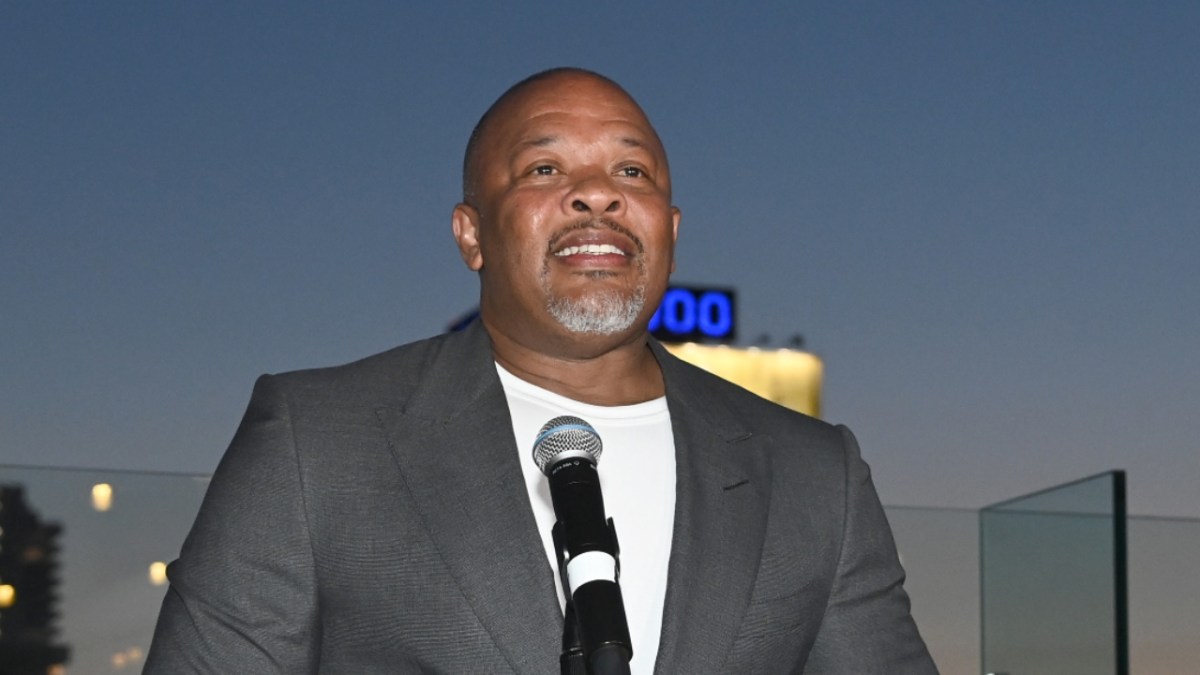
Dr. Dre Says He’s ‘Never’ Listened To His Old Music
In a recent revelation that has taken the hip-hop community by storm, legendary producer and rapper Dr. Dre disclosed that he has “never” listened to his old music. This statement, made during an interview, has sparked a flurry of discussions among fans, critics, and fellow artists alike. The idea that a figure as iconic as Dr. Dre has not revisited his extensive catalog raises intriguing questions about the relationship artists have with their past work.
The Legacy of Dr. Dre
Dr. Dre, born Andre Young, is often hailed as one of the most influential figures in hip-hop history. From his early days with N.W.A to his groundbreaking solo career and his role in launching the careers of artists like Eminem and Snoop Dogg, Dre’s impact on the genre is undeniable. His albums, such as "The Chronic" and "2001," are considered classics, and his production style has shaped the sound of modern hip-hop. Given this legacy, the notion that he has never listened to his own music is both surprising and thought-provoking.
The Artist’s Perspective
In the interview, Dr. Dre explained that he prefers to focus on the present and future rather than dwell on the past. For many artists, revisiting old work can be a double-edged sword. On one hand, it can provide a sense of nostalgia and reflection; on the other, it can lead to self-criticism and dissatisfaction with past choices. Dre’s decision to avoid listening to his old tracks suggests a desire to keep moving forward creatively, rather than getting caught up in what he has already accomplished.
The Emotional Toll of Retrospection
The emotional toll of revisiting one’s past work can be significant. Artists often evolve over time, both personally and professionally, and listening to earlier music can evoke feelings of vulnerability or regret. Dr. Dre’s statement may resonate with many artists who feel that their past work no longer represents who they are today. By not listening to his old music, Dre may be protecting himself from the potential discomfort that comes with self-evaluation and comparison to his earlier self.
The Impact on Fans and Culture
Fans of Dr. Dre are undoubtedly curious about his past work, especially given the cultural significance of his music. Tracks like “Nuthin’ but a ‘G’ Thang” and “Still D.R.E.” have become anthems that define a generation. The fact that Dre has not revisited these songs raises questions about how artists perceive their contributions to culture. For many fans, these tracks are timeless, but for the artist, they may represent a different chapter in their life that they have moved on from.
The Role of Nostalgia in Music
Nostalgia plays a powerful role in the music industry. Many artists find that their older songs evoke strong memories and emotions, both for themselves and their listeners. However, Dr. Dre’s stance challenges the conventional wisdom that artists should embrace their past. Instead, he seems to advocate for a forward-thinking approach, one that prioritizes growth and innovation over nostalgia. This perspective could inspire a new wave of artists to focus on their current projects rather than getting bogged down by their past successes.
The Future of Dr. Dre’s Music
As Dr. Dre continues to work on new projects, including rumored collaborations and potential new albums, his focus on the present could lead to exciting developments in his sound and artistry. Fans are eager to see how his experiences and evolution will influence his future work. The absence of nostalgia might allow him to experiment more freely, unencumbered by the weight of his past hits.
Conclusion
Dr. Dre’s admission that he has never listened to his old music opens up a fascinating dialogue about the nature of artistry, nostalgia, and personal growth. It challenges the traditional narrative that artists should constantly reflect on their past work and instead promotes a mindset of continuous evolution. As the hip-hop community processes this revelation, it will be interesting to see how it influences both Dre’s future projects and the broader conversation about the relationship between artists and their past creations.