
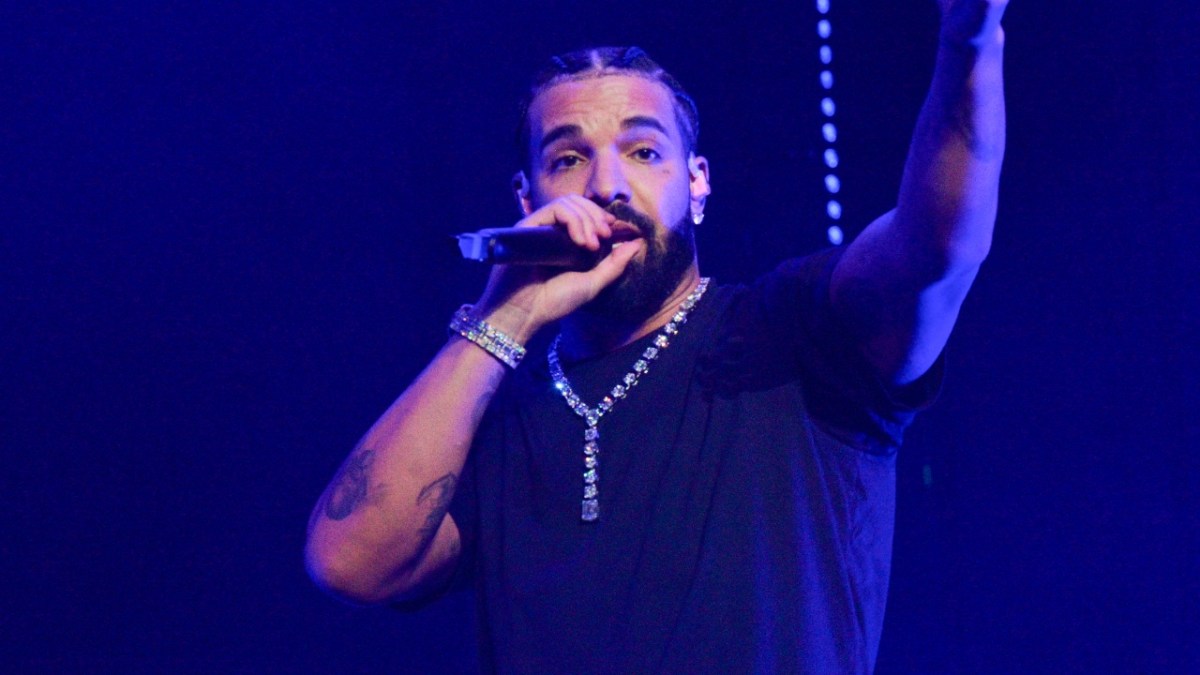
Drake Flexes Spanish Skills on New Feature Alongside Mexican Singer
In a move that has sent waves through both the hip-hop and Latin music communities, Canadian rapper Drake has showcased his Spanish language skills on a new feature alongside popular Mexican singer, Natanael Cano. This collaboration marks a significant moment in the ongoing fusion of genres and cultures, highlighting Drake’s versatility as an artist and his willingness to embrace diverse musical influences.
The Collaboration: A Cultural Melting Pot
Drake’s feature with Natanael Cano is not just another collaboration; it represents a cultural melting pot where hip-hop meets regional Mexican music. Natanael Cano, known for his innovative blend of traditional Mexican sounds with contemporary trap and hip-hop elements, has gained immense popularity in recent years. His unique style, often referred to as "corridos tumbados," has resonated with a younger audience, bridging the gap between traditional Mexican music and modern urban sounds.
By collaborating with Cano, Drake not only taps into this burgeoning genre but also broadens his appeal to a wider audience. The partnership is a testament to the globalization of music, where artists from different backgrounds come together to create something fresh and exciting. This collaboration is likely to attract fans from both the hip-hop and Latin music scenes, further solidifying Drake’s status as a global superstar.
Drake’s Spanish Skills: A New Dimension
Drake’s ability to rap in Spanish is a noteworthy aspect of this collaboration. While he has previously dabbled in Spanish on tracks like "Mi Casa" and "La La La," this new feature sees him fully embracing the language. His fluency and delivery demonstrate a genuine effort to connect with the Latin audience, showcasing his respect for the culture and its musical heritage.
Fans have responded positively to Drake’s Spanish skills, praising his pronunciation and flow. This move not only enhances the track’s authenticity but also sets a precedent for other artists to explore multilingual collaborations. In an era where music transcends borders, Drake’s willingness to step outside his comfort zone is commendable and reflects the evolving landscape of the music industry.
The Impact on the Music Industry
The collaboration between Drake and Natanael Cano is indicative of a larger trend within the music industry, where genres are increasingly blending and artists are crossing traditional boundaries. As hip-hop continues to dominate the global music scene, Latin music is experiencing a renaissance, with artists like Bad Bunny and J Balvin leading the charge. This partnership is a clear signal that the lines between these genres are blurring, creating new opportunities for artists to innovate and reach diverse audiences.
Moreover, this collaboration could pave the way for more Latin artists to enter the mainstream music scene. With Drake’s massive platform and influence, the exposure that Cano receives from this feature could lead to increased recognition for regional Mexican music on a global scale. As more artists embrace multicultural collaborations, the music industry may see a shift towards a more inclusive and diverse landscape.
Fan Reactions and Anticipation
The announcement of this collaboration has generated significant buzz on social media, with fans eagerly anticipating the release. Many have taken to platforms like Twitter and Instagram to express their excitement, sharing their favorite Drake and Natanael Cano tracks while speculating about what the new song might sound like. The anticipation is palpable, with fans from both sides expressing their hopes for a track that captures the essence of both artists.
Additionally, the collaboration has sparked discussions about the importance of representation in music. Fans are excited to see a prominent artist like Drake embracing Latin culture and language, which can inspire other artists to explore their own cultural roots and collaborate across genres. This moment serves as a reminder of the power of music to unite people from different backgrounds and foster understanding.
Conclusion
Drake’s feature alongside Natanael Cano is more than just a musical collaboration; it represents a significant moment in the evolution of the music industry. By flexing his Spanish skills and embracing a genre that is rapidly gaining traction, Drake is not only expanding his artistic repertoire but also contributing to the ongoing dialogue about cultural exchange in music. As fans eagerly await the release of this track, it is clear that this collaboration is set to make waves, further blurring the lines between hip-hop and Latin music.