
The Evolution of Music Videos: A Journey Through 25 Influential Clips
When MTV debuted on August 1, 1981, it revolutionized how the world consumed music. Suddenly, fans could watch their favorite bands and artists from the comfort of their living room couches. Music videos began to take on the shape of short films, providing insights into the live concert experience and enhancing the storytelling aspect of music. Today, music videos continue to push boundaries and innovate, serving as a powerful medium for artistic expression. Here’s a look at 25 influential music videos, listed in chronological order, that have shaped the landscape of music and visual art.
1. "Subterranean Homesick Blues" (Bob Dylan, 1967)
Before the term "music video" was even coined, artists were creating promotional clips. Bob Dylan’s "Subterranean Homesick Blues" is one of the most memorable examples, featuring Dylan holding cue cards with lyrics. This innovative approach paved the way for future artists, notably INXS in 1987 with "Mediate."
2. "Bohemian Rhapsody" (Queen, 1975)
Queen’s "Bohemian Rhapsody" marked a turning point in music video production. The promotional clip featured the band members’ heads against a black background, creating an eerie yet powerful visual that complemented the song’s complexity. This video helped establish the music video as an essential promotional tool.
3. "Video Killed the Radio Star" (The Buggles, 1979)
This song holds the distinction of being the first video played on MTV at 12:01 a.m. on August 1, 1981. Although released two years earlier, its catchy tune and innovative visuals ushered in a new era where music videos could make or break an artist’s career.
4. "Ashes to Ashes" (David Bowie, 1980)
David Bowie co-directed this iconic video, which cost £250,000—a significant sum at the time. The video showcased how music videos could be interpreted as art, filled with creativity, imagery, and conceptualism. It encouraged future artists to think outside the box.
5. "Once in a Lifetime" (Talking Heads, 1981)
Talking Heads’ "Once in a Lifetime" is notable for its choreography, co-directed by Toni Basil. The video features frontman David Byrne reenacting religious rituals, demonstrating that music videos don’t always need to follow a conventional narrative to be effective.
6. "Hungry Like the Wolf" (Duran Duran, 1982)
Duran Duran’s "Hungry Like the Wolf" was one of the first songs to benefit from the MTV machine. The Indiana Jones-inspired video helped the band become international stars, proving that storytelling and visual appeal could significantly enhance a song’s popularity.
7. "Billie Jean" (Michael Jackson, 1983)
"Billie Jean" set the stage for Michael Jackson’s dominance in the music video world. Its innovative visuals and choreography captivated audiences, while Jackson’s iconic dance moves and style became a cultural phenomenon.
8. "Beat It" (Michael Jackson, 1983)
Following the success of "Billie Jean," "Beat It" raised the bar even higher. The video featured a narrative and showcased Jackson’s legendary choreography, including a modern take reminiscent of "West Side Story." The red zippered jacket and Eddie Van Halen’s guitar solo added to its iconic status.
9. "Rockit" (Herbie Hancock, 1983)
Herbie Hancock’s "Rockit" is celebrated for its innovative use of special effects and a conceptual approach that was ahead of its time. The video presented a robotic, animatronic view of everyday life, showcasing the artistic potential of music videos.
10. “Thriller” (Michael Jackson, 1983)
Often regarded as the greatest music video ever made, "Thriller" was a groundbreaking short film directed by John Landis. Its elaborate choreography, special effects, and narrative structure helped propel Jackson’s album to legendary status and solidified the music video as a cultural touchstone.
11. "Borderline" (Madonna, 1984)
Madonna’s "Borderline" video portrayed her as an empowered woman, challenging societal norms. It showcased her fashion sense and helped establish her as a pop icon, paving the way for future female artists to express their individuality.
12. "Money for Nothing" (Dire Straits, 1985)
This Dire Straits hit became famous for its groundbreaking use of computer animation. The video depicted the life of musicians through a satirical lens, showcasing innovative CGI that was revolutionary for its time.
13. "Take On Me" (A-ha, 1985)
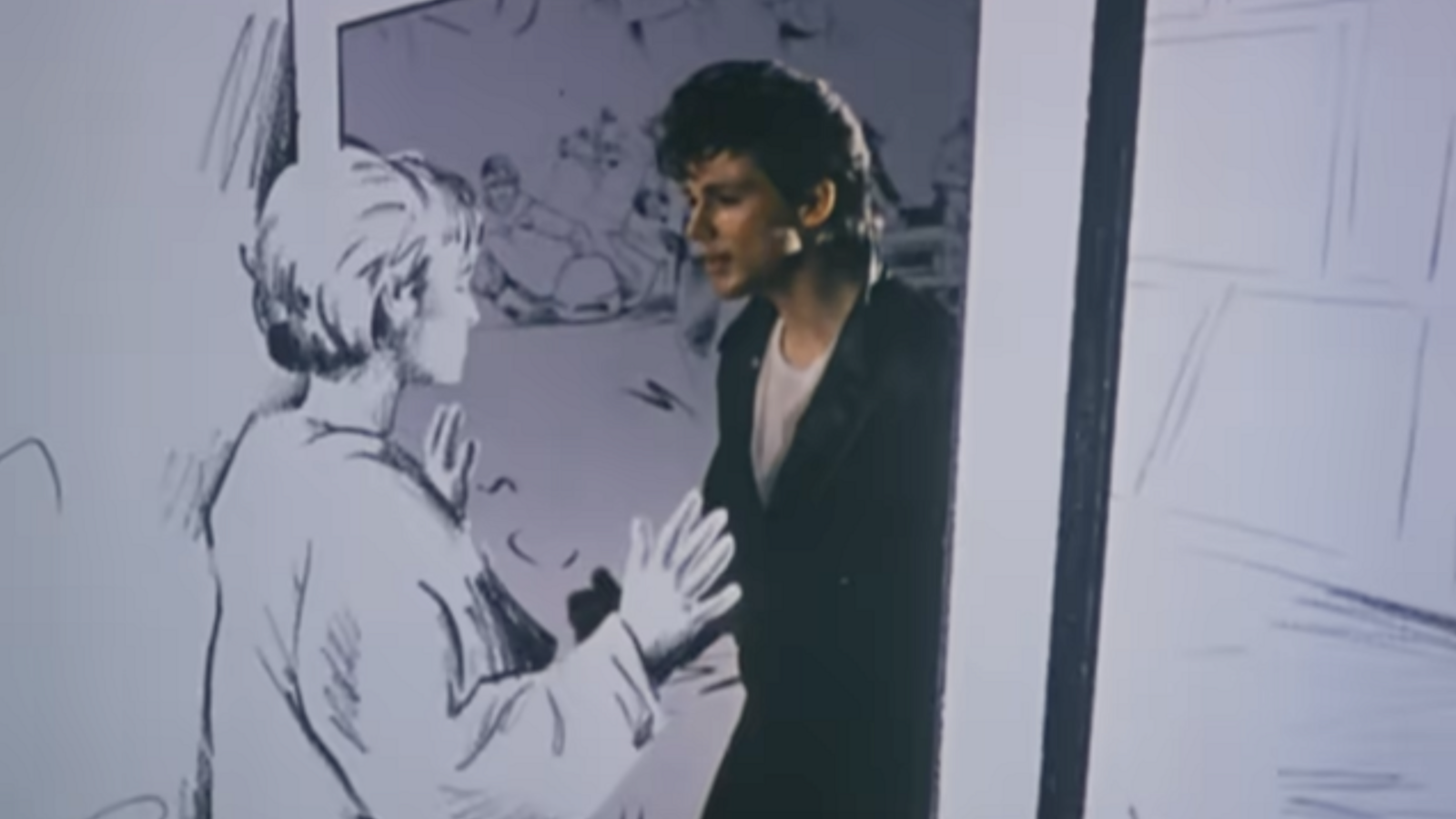
A-ha’s "Take On Me" is renowned for its creative blend of live-action and pencil-sketch animation, achieved through rotoscoping. The video won six awards at the 1986 MTV Video Music Awards and remains a beloved classic, surpassing a billion views on YouTube.
14. "Sledgehammer" (Peter Gabriel, 1986)
Using a mix of stop motion animation, pixilation, and claymation, "Sledgehammer" became a landmark in music video history. Its creativity and visual appeal opened doors for artists to explore new artistic avenues in their videos.
15. "Welcome To The Jungle" (Guns N’ Roses, 1987)
Guns N’ Roses’ "Welcome To The Jungle" marked a shift in the portrayal of rock music on MTV. The video stripped away the glam metal aesthetic, presenting a raw and gritty view of life in Los Angeles, which resonated with a new generation of rock fans.
16. "Like a Prayer" (Madonna, 1989)
Madonna’s "Like a Prayer" stirred controversy with its provocative imagery and themes. The video featured an interracial love story and religious symbolism, pushing boundaries and sparking discussions about race and sexuality in media.
17. "Nothing Compares 2 U" (Sinéad O’Connor, 1990)
Sinéad O’Connor’s emotional rendition of the Prince-penned song was complemented by a simple yet powerful video. The raw emotion displayed in her performance, particularly during the tearful moments, resonated deeply with viewers.
18. "Smells Like Teen Spirit" (Nirvana, 1991)
Nirvana’s "Smells Like Teen Spirit" ushered in the grunge movement, contrasting sharply with the glam rock videos of the time. The chaotic imagery of a high school pep rally turned dark reflected the disillusionment of a generation.
19. "Nuthin’ but a ‘G’ Thang" (Dr. Dre, feat. Snoop Doggy Dogg, 1992)
This video introduced Snoop Dogg to the world and showcased the lifestyle associated with 1990s rap. Its visuals of house parties and carefree living helped redefine the genre’s image and influence.
20. "Buddy Holly" (Weezer, 1994)
Directed by Spike Jonze, "Buddy Holly" creatively placed the band in a "Happy Days" episode, blending nostalgia with modern rock. The video became iconic and showcased the potential for storytelling in music videos.
21. "Sabotage" (Beastie Boys, 1994)
Another Spike Jonze masterpiece, "Sabotage" paid homage to 1970s cop shows. Its humor and creativity elevated the song, demonstrating how a compelling video could enhance a track’s impact.
22. "Wannabe" (Spice Girls, 1996)
The Spice Girls burst onto the scene with "Wannabe," promoting themes of friendship and female empowerment. The catchy tune and lively visuals made it a cultural phenomenon, influencing girl groups for years to come.
23. "The Rain (Supa Dupa Fly)" (Missy "Misdemeanor" Elliott, 1997)
Missy Elliott’s debut video, featuring her iconic leather blow-up suit, showcased her unique style and creativity. The video emphasized the importance of fashion in music videos and set the stage for future artists to express themselves visually.
24. "…Baby One More Time" (Britney Spears, 1998)
Britney Spears’ breakthrough video became a defining moment for pop music. The controversial school-girl uniform and catchy chorus captured the attention of a generation, establishing Spears as a pop icon and influencing countless young female artists.
25. "Here it Goes Again" (OK Go, 2006)
Known for its incredible choreography, OK Go’s "Here it Goes Again" featured the band performing on treadmills in a synchronized routine. The video became a viral sensation, showcasing the power of creativity and the potential for music videos to gain traction on platforms like YouTube.
These 25 music videos not only reflect the evolution of the medium but also highlight the innovative spirit of artists who have used visual storytelling to enhance their music. Each video has left an indelible mark on pop culture, shaping how we experience and understand music today.