
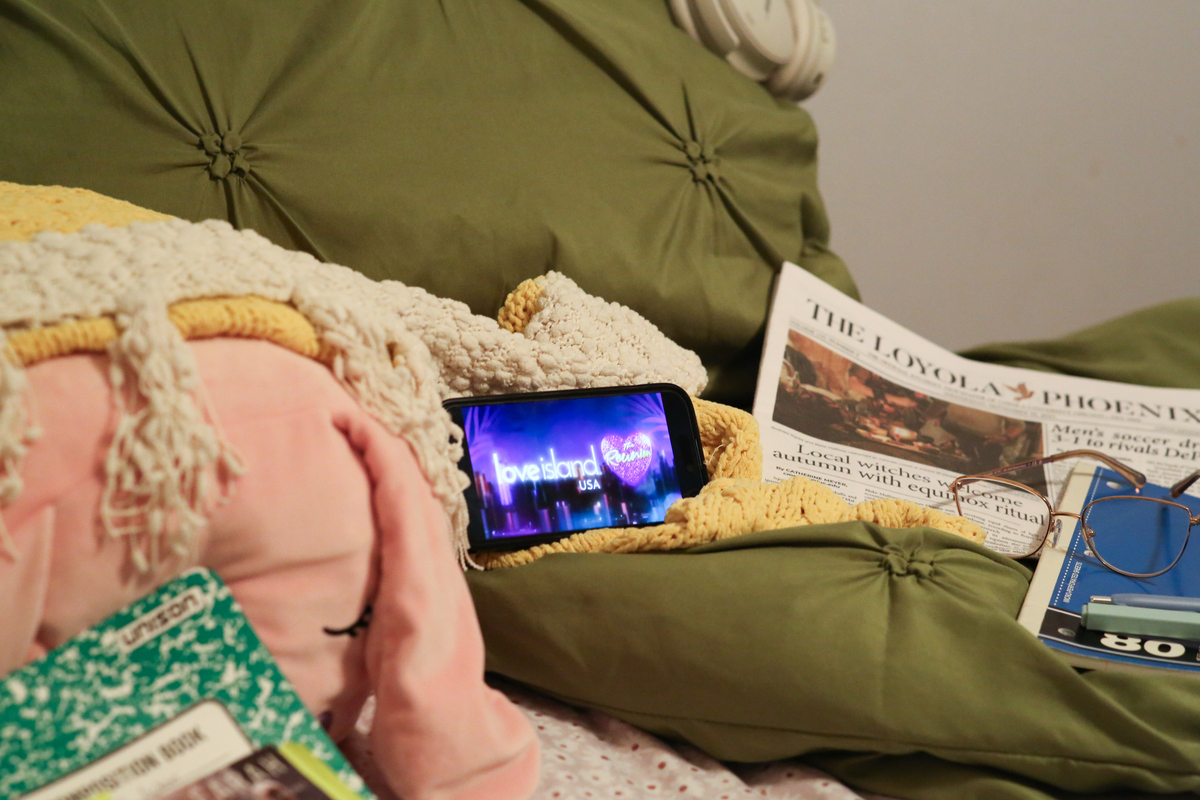
The Unconventional Stress Relief: Binge-Watching Reality TV
In today’s fast-paced world, stress relief is a necessity. People often turn to various methods to unwind after a long day, from exercising and meditating to picking up a new hobby or seeking guidance from mental health professionals. However, a surprising number of individuals find solace in more unconventional ways, such as binge-watching reality television. This phenomenon, particularly prevalent among fans of shows like The Real Housewives, raises questions about the impact of such viewing habits on both the audience and the participants.
The Allure of Reality TV
For many, there’s nothing quite like the thrill of watching the drama unfold in the lives of others. Reality TV offers a unique escape, allowing viewers to immerse themselves in the chaotic lives of its stars. The genre has exploded in popularity, with networks like Bravo leading the charge. The Real Housewives franchise, which began in 2006 with The Real Housewives of Orange County, has become a cultural touchstone, drawing millions of viewers each week. The appeal lies in the extravagant lifestyles, interpersonal conflicts, and the sheer entertainment value of watching wealthy women navigate their social circles.
The Dark Side of Entertainment
While reality TV can provide a temporary distraction, it often perpetuates a culture of toxicity. Viewers become emotionally invested in the lives of these stars, sometimes crossing the line from engagement to judgment. The drama that captivates audiences can have detrimental effects on the mental health of the participants. Leah McSweeney, a former cast member of The Real Housewives of New York, has publicly shared her struggles with the Bravo network, alleging that producers discouraged her from maintaining her sobriety and failed to provide adequate mental health support.
The Impact of Viewer Scrutiny
The intense scrutiny that reality stars face from fans can lead to severe consequences. Social media platforms serve as a double-edged sword, allowing viewers to express their opinions while also subjecting contestants to relentless criticism and harassment. This phenomenon is particularly evident in shows like Love Island, where contestants have reported experiencing online bullying and harassment. Tragically, the pressure has proven too much for some, with several participants and a former host taking their own lives, highlighting the urgent need for a more compassionate viewer culture.
Cancel Culture and Its Consequences
The rise of cancel culture has further complicated the relationship between reality TV stars and their audience. While the intention behind cancel culture may be to hold individuals accountable for their actions, it often leads to a toxic environment where fans feel entitled to judge and criticize every move made by reality stars. This behavior not only affects the mental health of the participants but also alters the nature of the shows themselves. Stars may feel compelled to modify their behavior to appease viewers, resulting in a loss of authenticity that ultimately detracts from the entertainment value.
The Irony of Reality TV
Ironically, reality TV was initially conceived as a form of escapism, designed to entertain and amuse viewers through the portrayal of larger-than-life characters. However, the genre has evolved into a platform for judgment and scrutiny, transforming it into a source of stress rather than relief. The very essence of what made reality TV appealing—its authenticity and relatability—has been compromised as viewers become more opinionated and critical.
A Call for Kindness
As the lines between entertainment and reality blur, it’s crucial for viewers to remember that the stars of these shows are real people with real emotions. The drama that unfolds on screen is often amplified for entertainment purposes, but the consequences can be deeply felt in the lives of those involved. A shift towards kindness and understanding could foster a healthier viewing experience for both fans and participants alike.
The Future of Reality TV
As reality TV continues to dominate the airwaves, it’s essential to reflect on its impact on society. While it can serve as a source of entertainment and stress relief, the potential for harm is significant. By promoting a culture of empathy and respect, viewers can enjoy the escapism that reality TV offers without contributing to the toxicity that often accompanies it. The challenge lies in finding a balance between engagement and compassion, ensuring that the genre remains a source of joy rather than a breeding ground for negativity.