Fabolous Weighs in on Lil Durk’s Take on Hip-Hop’s Evolution
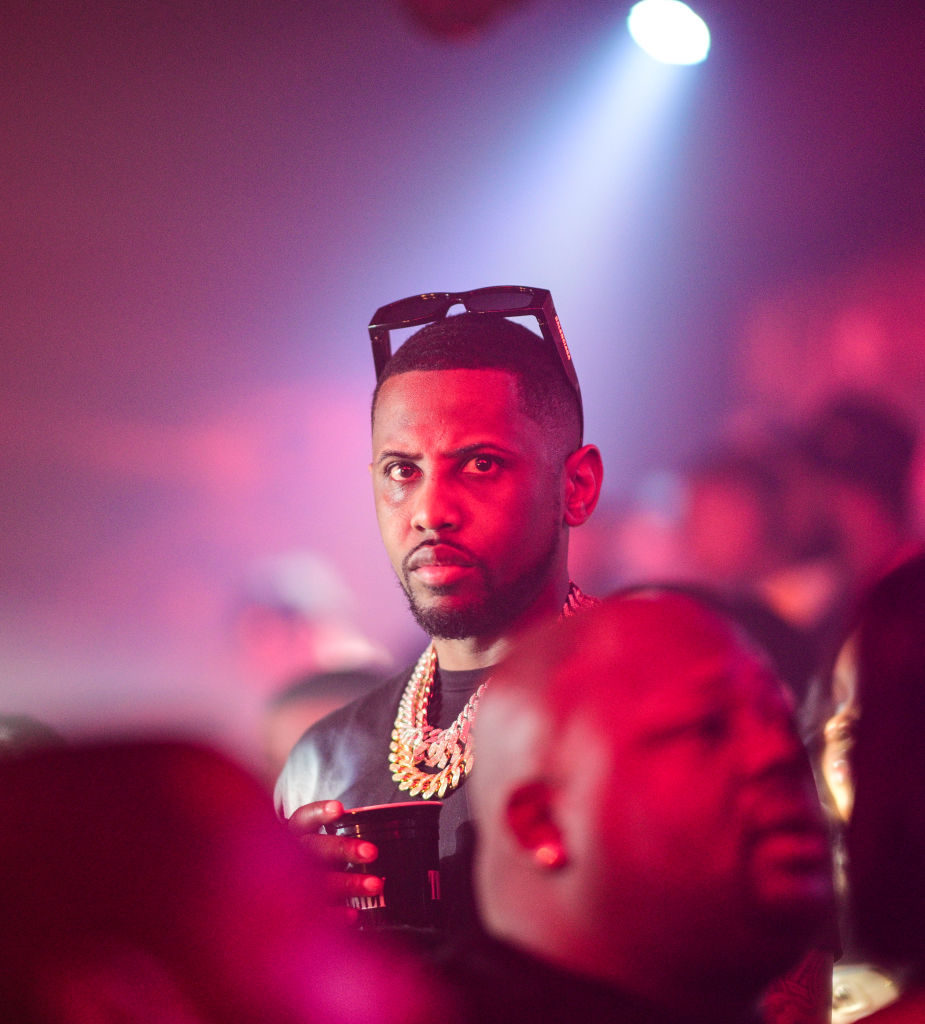
In a recent episode of the 7 PM in Brooklyn podcast, veteran rapper Fabolous shared his thoughts on Lil Durk’s viral tweet that sparked a conversation about the state of Hip-Hop. Durk, known for his impactful lyrics and evolving sound, expressed his feelings about the genre, stating, “Hip hop ain’t what it used to be….” This statement resonated with many fans and artists alike, prompting discussions about the evolution of Hip-Hop and what it means for both artists and listeners.
The Rhetorical Question: What Did It Used to Be?
During the podcast, hosted by Carmelo Anthony and Kid Mero, Fabolous responded to Durk’s assertion with a thought-provoking rhetorical question: “What did it used to be?” This inquiry set the stage for a deeper exploration of Hip-Hop’s history and its continuous transformation. Fabolous emphasized that the genre is inherently dynamic, stating, “Hip Hop is what it is. It can’t be what it ‘used to be’ because whenever that time was, it was different for them too—even for Lil Durk.”
This perspective highlights the subjective nature of music and how each era brings its unique flavor and challenges. Fabolous, a seasoned artist from Brooklyn, understands that every generation of Hip-Hop artists faces its own set of circumstances, and what may seem like a decline to some could simply be a shift in style and culture.
Celebrating Evolution: Fabolous on Lil Durk’s Adaptability
Fabolous took a moment to commend Lil Durk for his ability to adapt to the changing landscape of Hip-Hop. He noted that Durk has successfully navigated the evolving sounds of the genre while maintaining a loyal fanbase. “One thing I respect about Durk is that as the sound changed,” Fabolous remarked, “he adapted and found the new Lil Durk, keeping his momentum.” This adaptability is crucial in an industry that is constantly shifting, and Fabolous believes that Durk’s evolution is a testament to his talent and resilience.
Their collaboration on the 2019 mixtape Summertime Shootout 3: Coldest Summer Ever serves as an example of how artists can blend their styles and reach new audiences. Fabolous’ praise for Durk underscores the importance of growth in an artist’s career, especially in a genre that thrives on innovation.
The Business of Hip-Hop: From Craft to Empire
Fabolous also touched on the significant changes within the music industry itself. He pointed out that Hip-Hop has transformed from a pure artistic expression into a multi-billion-dollar business. “It’s a business now,” he explained. “At one point, it was just about the craft—something we all loved to do and listen to. Now, it’s a billion-dollar empire, and it has to be treated as such.”
This shift has implications for how artists approach their careers, with many now focusing on brand partnerships, streaming strategies, and marketing to ensure their music reaches a wider audience. Fabolous’ insights reflect a broader understanding of the industry, recognizing that while the essence of Hip-Hop remains, the way it operates has evolved dramatically.
Anticipation for Lil Durk’s Upcoming Album
Fabolous’ comments come at an exciting time for Lil Durk, who is gearing up for the release of his new album, Love Songs For The Streets 3. The anticipation surrounding the project has been heightened by the recent leak of its tracklist, which features collaborations with notable artists such as Lil Baby, Rod Wave, Future, and even country star Morgan Wallen.
In the lead-up to the album, Durk has been actively promoting it with new singles like “Went Hollywood For A Year” and “Turn Up A Notch.” These tracks showcase his versatility and willingness to experiment with different sounds, further solidifying Fabolous’ point about the importance of adaptation in Hip-Hop.
Recent Collaborations and Future Endeavors
As the conversation continues to unfold, Fabolous himself has been busy in the studio, recently collaborating with Mary J. Blige on the track “Breathing.” This partnership highlights Fabolous’ ongoing relevance in the music scene, as he continues to work with both established and emerging artists.
The dynamic nature of Hip-Hop, as discussed by Fabolous, is a testament to the genre’s resilience and its ability to reflect the changing times. As artists like Lil Durk push boundaries and explore new sounds, the conversation about what Hip-Hop “used to be” versus what it is today will undoubtedly continue to evolve.