Rethinking Our Relationship with Pop Stars: A Call for Change
Pop stars have long occupied a unique space in our culture, serving as both icons and reflections of societal values. However, recent events have illuminated a troubling trend: the relationship between fans and artists has shifted from admiration to something more toxic. As we delve into this complex dynamic, it becomes clear that we need to change the way we talk about pop stars and, more importantly, how we treat them.
The Rise of Chappell Roan and the Burden of Fame
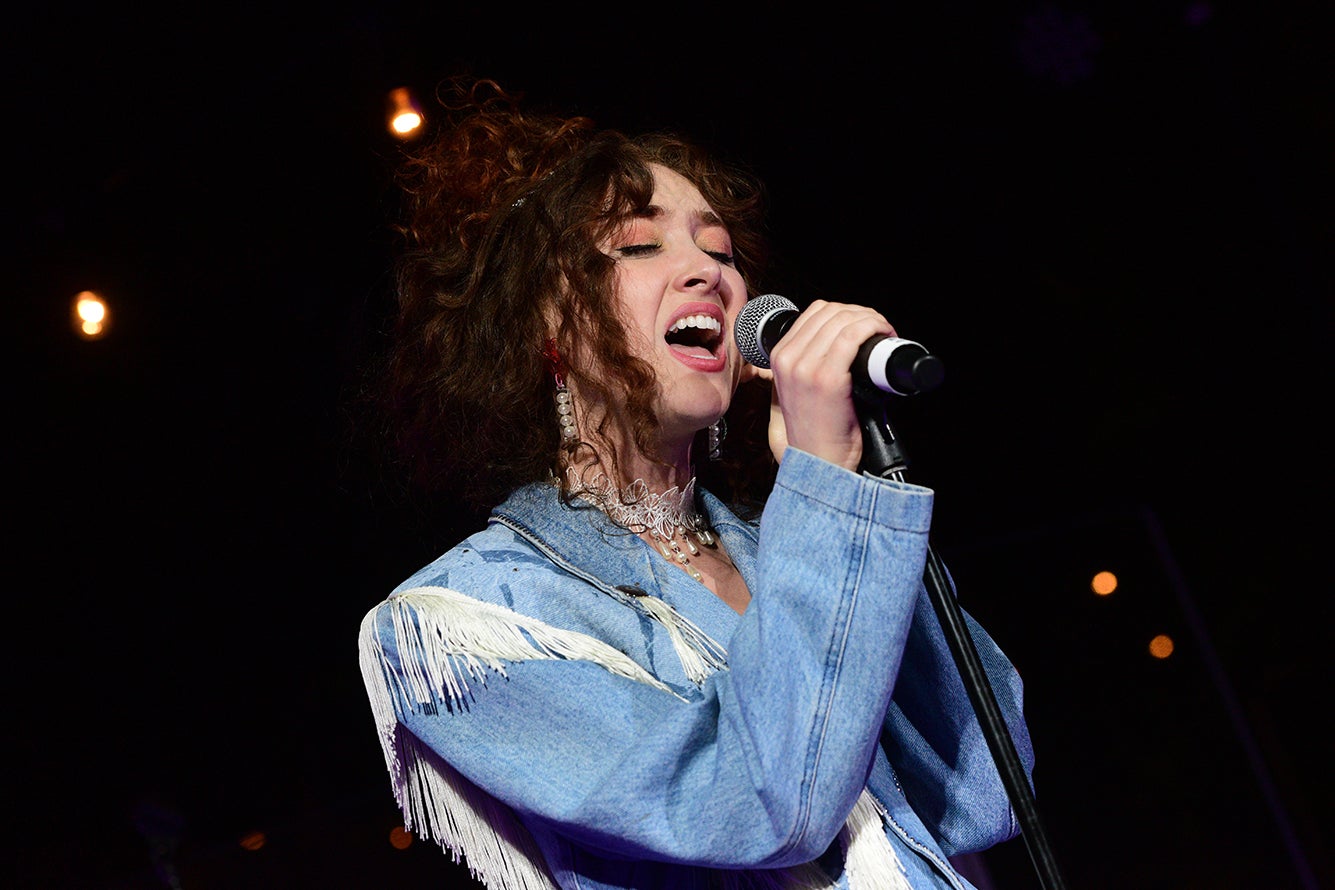
Chappell Roan, a pop star who recently achieved mainstream success with her album "Good Luck, Babe!", has become a focal point in the discussion about fan behavior. In a candid TikTok video, Roan expressed her struggles with the overwhelming nature of fame, a sentiment that resonates with many artists who find themselves thrust into the spotlight. She has shared her journey of creating a stage persona to maintain a boundary between her public and private life, emphasizing the emotional toll that fame can take.
Roan’s experience is not unique; many artists grapple with the invasive nature of fame. The pressure to engage with fans through meet-and-greets and social media can lead to feelings of violation, especially when fans cross personal boundaries. Roan’s recent statements reflect a breaking point, as she articulates her frustration with the normalization of harassment and stalking in the entertainment industry.
Divided Reactions: Understanding vs. Dismissal
The reactions to Roan’s TikTok have been mixed. While many fans empathize with her plight, recognizing the emotional exhaustion that comes with constant demands for attention, others have questioned her perspective. Some argue that asking for a photo or a moment of interaction is simply part of the job she signed up for. This dichotomy highlights a fundamental misunderstanding of the artist-fan relationship.
One particularly striking response suggested that Roan might not be "cut out" for the pop star life, a sentiment that underscores the unrealistic expectations placed on artists. This mentality reduces pop stars to mere commodities, stripping away their humanity and individuality. It’s crucial to remember that artists are not just entertainers; they are people with feelings, boundaries, and the right to prioritize their mental health.
The Toxicity of Stan Culture
The evolution of stan culture has transformed the way we perceive pop stars. No longer are they simply artists; they have become symbols of identity for their fans. This shift has led to a sense of ownership among fans, who often feel entitled to the personal lives of the artists they admire. The idea that "we made her famous" is a common refrain, but it overlooks the hard work and creativity that artists invest in their craft.
This sense of ownership can manifest in unhealthy ways, as fans may feel justified in their intrusive behavior. When Roan expresses her discomfort with being treated as an object of admiration rather than a person, some fans react defensively, unwilling to confront their role in perpetuating this toxic dynamic. The reality is that artists like Roan are not merely products of fan support; they are individuals who deserve respect and autonomy.
The Pressure to Perform: A Double-Edged Sword
As the music industry becomes increasingly metrics-driven, the pressure on artists to perform and engage with fans intensifies. Success is often measured by numbers—monthly listeners, chart positions, and social media engagement—creating a competitive atmosphere reminiscent of sports fandom. This commodification of artistry can lead to a dehumanizing experience for artists, who may feel like they are constantly under scrutiny.
When Roan announced her intention to step back from the spotlight due to safety concerns, it was a powerful reminder that artists have the right to control their own narratives. However, this decision was met with resistance from some fans, who felt threatened by the prospect of losing their connection to her. This reaction underscores the unhealthy dynamics at play, where the desire for a personal connection can overshadow an artist’s need for safety and well-being.
The Broader Implications: A Cultural Reflection
Roan is not alone in her struggle; many young female pop stars, including Billie Eilish and Doja Cat, have voiced their discomfort with the parasocial expectations that accompany fame. This trend reflects a broader cultural issue, where society often rewards artists who give everything of themselves while vilifying those who prioritize their mental health.
Selena Gomez’s poignant statement in her documentary—“Everything I’ve ever wished for, I’ve had and done all of it. But it has killed me”—captures the essence of this dilemma. The relentless pursuit of intimacy and connection with fans can lead to devastating consequences for artists, who may find themselves sacrificing their well-being for the sake of their careers.
A Call for Change: Rethinking Our Expectations
As fans, it’s essential to reflect on our expectations of pop stars and the impact of our behavior on their lives. The notion that fame should come at the cost of personal space and mental health is outdated and harmful. We must recognize that artists are not obligated to share every aspect of their lives with us, nor should they be subjected to harassment or invasion of privacy.
The conversation surrounding pop stars and their relationships with fans is evolving, and it’s time for us to adapt. By fostering a culture of respect and understanding, we can create a healthier environment for both artists and fans. It’s crucial to remember that behind the glitz and glamour, pop stars are human beings deserving of compassion and dignity.