
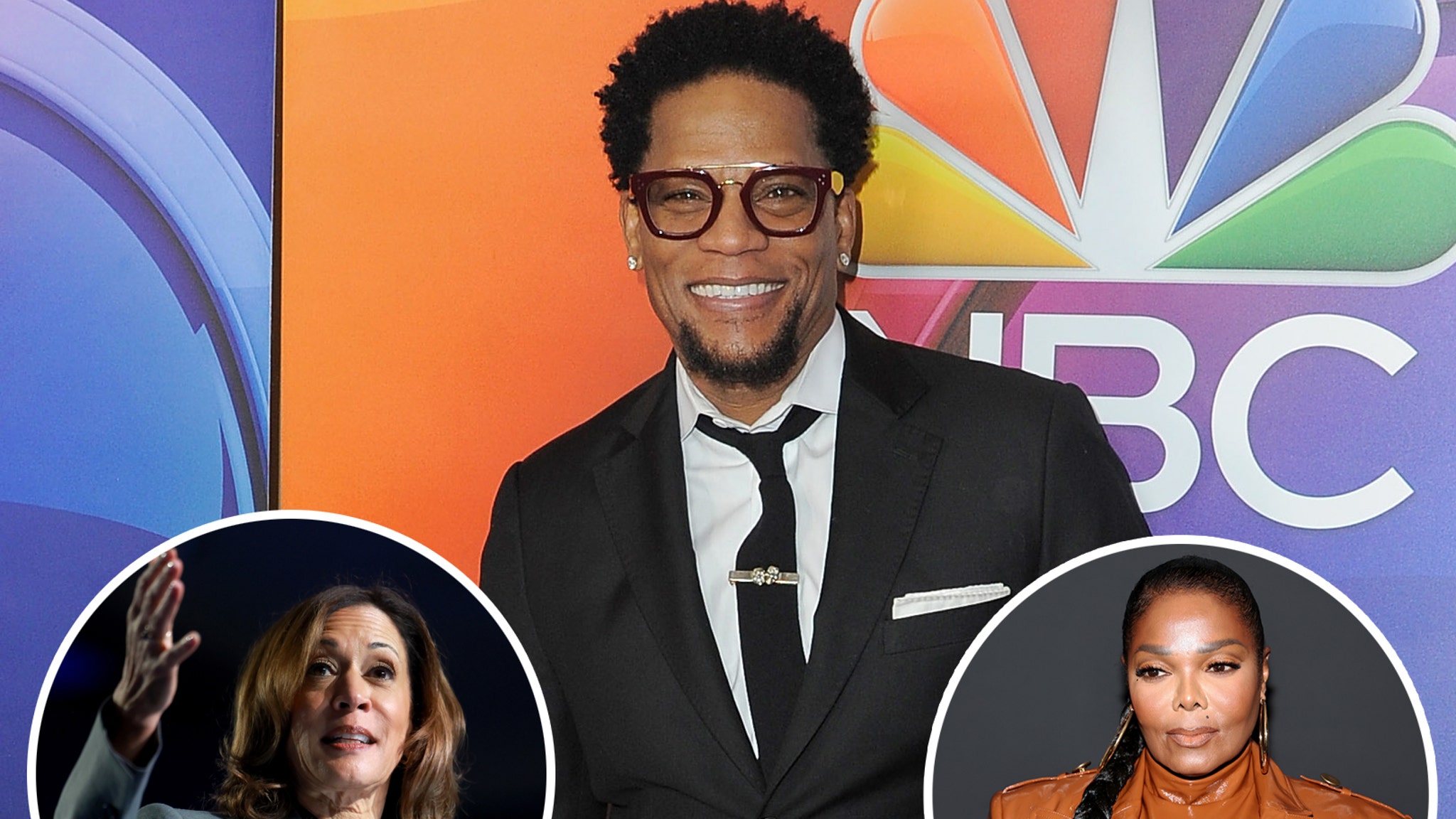
D.L. Hughley Calls Out Janet Jackson Over Controversial Comments on Kamala Harris
In a recent social media exchange, comedian D.L. Hughley took aim at pop icon Janet Jackson after her controversial remarks regarding Vice President Kamala Harris. The incident unfolded following Jackson’s interview with The Guardian, where she expressed doubts about Harris’s racial identity, igniting a firestorm of criticism and debate.
The Interview That Sparked Outrage
During her sit-down with The Guardian, Jackson was asked about the upcoming election and the potential for the first female Black president in the White House. Her response, however, raised eyebrows. "Well, you know what they supposedly said? She’s not Black. That’s what I heard. That she’s Indian," Jackson stated, seemingly dismissing Harris’s identity as a Black woman.
Despite the reporter’s clarification that Harris is both Black and Indian, Jackson remained unconvinced. She further claimed, "Her father’s white. That’s what I was told. I mean, I haven’t watched the news in a few days." This assertion was not only factually incorrect but also echoed sentiments often propagated by critics of Harris, including former President Donald Trump.
D.L. Hughley’s Sharp Retort
Hughley, known for his outspoken views and comedic commentary, quickly responded to Jackson’s comments on social media. He tweeted, "It’s a little ironic to question whether someone is black while you’re breathing through the nose of a white woman!" His tweet not only criticized Jackson’s remarks but also pointed to the perceived hypocrisy in her questioning of Harris’s racial identity.
Hughley further elaborated, comparing Jackson’s statements to rhetoric often heard at Trump rallies. He tweeted, "#JanetJacksons interview sounded like a #Trump rally! FYI!!" This pointed critique highlighted the seriousness of Jackson’s comments, suggesting they could contribute to the ongoing misinformation surrounding Harris’s identity.
The Facts About Kamala Harris
To clarify, Kamala Harris’s heritage is a blend of Black and Indian ancestry. Her father, Donald J. Harris, is a Black man from Jamaica, while her mother, Shyamala Gopalan Harris, was an Indian immigrant. The misinformation surrounding Harris’s racial identity has been a recurring theme in political discourse, often used to undermine her credibility and authenticity as a leader.
Jackson’s Response and Aftermath
Following the backlash from her comments, a man named Mo Elmasri, who claimed to be Jackson’s manager, issued a statement suggesting that her remarks were based on "misinformation." However, this apology was quickly met with skepticism. Jackson’s representatives later clarified that Elmasri was not authorized to speak on her behalf, emphasizing that her actual manager is her brother, Randy Jackson.
This clarification raised questions about whether Jackson would issue a formal apology or further comment on the matter. As of now, she has not publicly addressed the controversy, leaving fans and critics alike wondering about her stance.
The Broader Implications
This incident underscores the complexities surrounding racial identity in America, particularly within the context of politics and celebrity culture. Jackson’s comments reflect a broader societal struggle with understanding and accepting the multifaceted nature of identity, especially for individuals like Harris, who embody multiple heritages.
Hughley’s sharp critique serves as a reminder of the responsibility public figures have when discussing sensitive topics such as race. The exchange between Hughley and Jackson highlights the importance of informed dialogue and the potential consequences of spreading misinformation, especially in an era where social media amplifies voices and opinions.
As the political landscape continues to evolve, the discussions surrounding identity, representation, and authenticity will remain crucial. The reactions to Jackson’s comments illustrate the passionate responses these topics can elicit, revealing the deep-seated beliefs and emotions tied to race and identity in America.