
The Vibrant Pulse of Queer Pop Music: A Celebration of Identity and Expression
When you step into the college dorm on Buswell St., the atmosphere is electric, a palpable energy that hints at something special. Recently, they hosted a party dubbed “brat night and it’s the same but it’s the two-month anniversary so it’s not,” where the air was filled with the infectious beats of queer pop music. This isn’t just a gathering; it’s a celebration of identity, community, and the power of music to unite and uplift.
The Soundtrack of Queer Identity
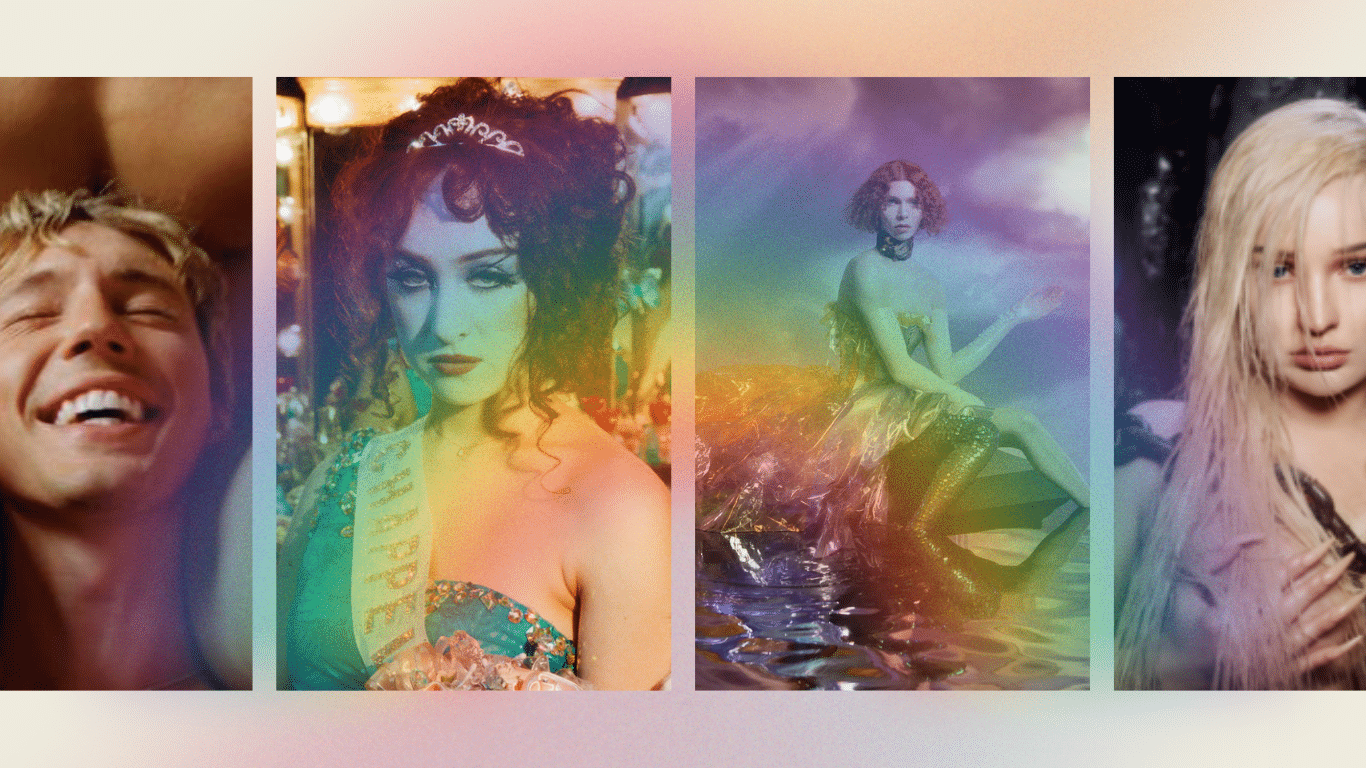
The playlist for the night featured a lineup of artists who have become synonymous with queer culture. Charli XCX and Brat serve as the launchpad for a musical journey that includes icons like Troye Sivan, Kim Petras, Doja Cat, and Beyoncé. These artists are not just entertainers; they are cultural touchstones whose music resonates deeply with the LGBTQ+ community. Their songs are crafted “for the girls and the gays,” creating a space where listeners can feel seen and celebrated.
Disco: The Heartbeat of Queer Culture
The connection between disco and gay culture is a rich tapestry woven since the 1970s. As the Stonewall riots ignited a movement for self-expression and liberation, disco clubs emerged as sanctuaries for the queer community. These spaces allowed individuals to dance freely, away from the constraints of societal norms. Manya Johnston-Ramirez highlights how these clubs became vital for visibility, offering a platform for queer identities to flourish amidst a backdrop of vibrant music and dance.
Disco’s loud, dramatic, and heartfelt rhythms provided an escape and a means of expression during a time of discrimination. The evolution from music theaters to disco clubs was a natural progression, as the community sought music that resonated with their experiences and emotions.
The Dynamics of Queer Pop Music
Queer pop music is more than just a genre; it’s a dynamic cultural phenomenon that reflects the diverse identities within the LGBTQ+ community. The term “queer” encompasses a spectrum of identities, and its intersection with popular music creates a rich dialogue about representation and expression. Doris Leibetseder emphasizes that queer music culture is both descriptive and transformative, allowing us to analyze how certain music embodies queer experiences while also reshaping cultural narratives.
Descriptive Elements: Reflecting the LGBTQ+ Experience
At its core, queer pop music serves as a mirror to the LGBTQ+ community, highlighting experiences and struggles through powerful anthems. From the disco era, artists like Freddie Mercury and David Bowie broke barriers, introducing gender fluidity into mainstream consciousness. Their performances and lyrics challenged societal norms, paving the way for future generations of artists to explore and express their identities.
Lady Gaga’s “Born This Way” stands as a testament to this evolution, encapsulating a message of acceptance and pride. As more artists embrace their sexuality and share their stories, music becomes a transformative force that redefines the narratives surrounding the queer community.
Transformative Aspects: Blurring Boundaries
The act of “queering” music involves breaking down traditional boundaries and challenging societal norms. Charli XCX exemplifies this approach, pushing the limits of pop through her experimentation with hyperpop and collaborations with queer artists. Her music transcends conventional themes, inviting listeners from all walks of life to connect with her lyrics and experiences.
In this context, music becomes a fluid medium, allowing for a diverse range of interpretations and connections. Charli’s ability to sing about universal themes while maintaining a distinct queer essence showcases the power of music to resonate across identities.
The Next Generation of Queer Pop
As we look to the future, Gen Z is shaping a new landscape for queer pop music, characterized by authenticity and a desire for positivity. The shift from the anthemic “Born This Way” to more playful and relatable narratives reflects a growing need for joy and celebration within the queer community. Emily Puglisi, a party-goer at the Buswell St. event, captures this sentiment perfectly: “We want positive and fun things to relate to.”
Artists like Chappell Roan are at the forefront of this movement, using their music to address contemporary struggles while celebrating self-discovery. Roan’s narratives resonate deeply with younger queer audiences, providing a much-needed release and sense of belonging.
Bold Voices and Empowering Narratives
The boldness of artists like Charli XCX and Chappell Roan is evident in their music, which serves as a vessel for emotions and stories. Their willingness to explore themes of identity and sexuality creates a rich tapestry of modern queer voices. Songs like Roan’s “Red Wine Supernova” and Charli’s “Vroom Vroom” exemplify how these artists embrace their individuality while inviting listeners to join in the celebration.
Through their lyrics and performances, they challenge societal norms and empower their audiences to explore their own identities. The ongoing evolution of queer pop music reflects a vibrant community that thrives on creativity, expression, and connection.
A Cultural Movement
The rise of queer pop music is not just a trend; it’s a cultural movement that continues to gain momentum. With artists like Troye Sivan, Charli XCX, and Chappell Roan leading the charge, the mainstream is becoming increasingly receptive to diverse narratives and identities. Their music resonates with audiences, fostering a sense of belonging and empowerment.
As we navigate this ever-changing landscape, it’s clear that queer pop music is more than just a genre; it’s a celebration of identity, a platform for expression, and a powerful force for change. The voices of these artists are not only shaping the music industry but also redefining what it means to be part of the LGBTQ+ community in today’s world.