
The Rise of AI-Generated Misinformation: A Case Study on Celebrity Conspiracy Theories
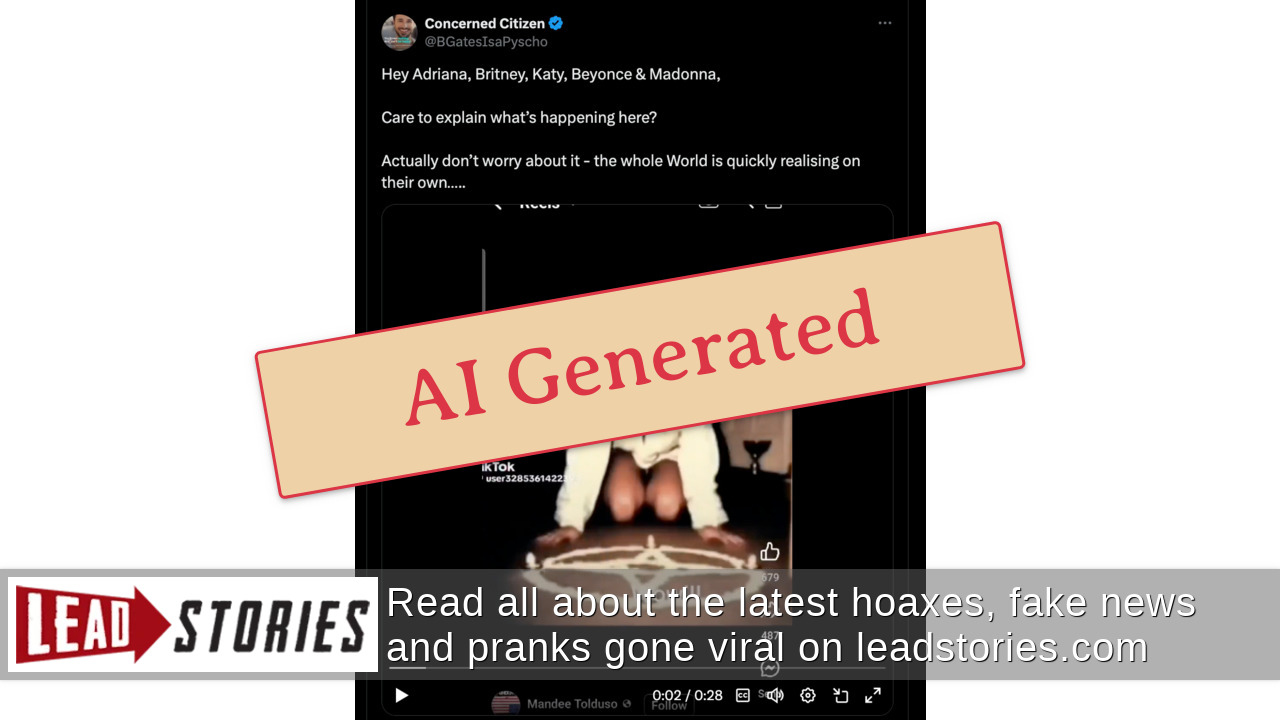
In the age of social media, misinformation can spread like wildfire, often fueled by sensational claims and eye-catching visuals. A recent example of this phenomenon involves a viral video that purportedly shows pop icons like Britney Spears, Madonna, and Beyoncé engaging in satanic rituals. However, upon closer examination, it becomes clear that the video is a product of artificial intelligence (AI) manipulation, raising important questions about the implications of AI-generated content in our digital landscape.
The Viral Video and Its Claims
The video in question resurfaced on social media platforms, particularly X (formerly Twitter), on September 26, 2024. A user posted a message that hinted at a dark revelation involving several high-profile celebrities, suggesting that the world was awakening to a hidden truth. The video itself was a collage of still images that claimed to depict these stars in compromising and bizarre scenarios, allegedly tied to satanic practices.
AI Detection and Image Analysis
Despite the video’s alarming claims, AI detection tools quickly flagged it as inauthentic. Analysis revealed that the images contained numerous distortions typical of AI-generated content. For instance, in one frame, a supposed image of Britney Spears featured a hand with an anatomically incorrect thumb, while another image of Madonna showed her levitating in an unnatural pose, devoid of fingernails. Such discrepancies are telltale signs of AI’s current limitations, particularly in rendering human anatomy accurately.
The Distorted Reality of Celebrity Images
The video continued to showcase a series of bizarre images that further undermined its credibility. A supposed image of Beyoncé displayed hands that defied human anatomy, while another frame depicted a three-legged figure. These visual anomalies not only cast doubt on the authenticity of the video but also highlighted the challenges AI faces in generating realistic human representations.
The Role of AI in Misinformation
The implications of AI-generated content extend beyond mere entertainment. As AI technology becomes increasingly sophisticated, the potential for misuse grows. The ability to create convincing yet false narratives poses a significant threat to public perception, especially when it involves well-known figures. The spread of such misinformation can lead to real-world consequences, including damage to reputations and the perpetuation of harmful conspiracy theories.
Historical Context of Conspiracy Theories
The claims surrounding celebrities and satanic rituals are not new; they are part of a long-standing tradition of conspiracy theories that often target public figures. These narratives tend to thrive on fear and suspicion, exploiting societal anxieties to create sensational stories. The resurgence of such claims in the context of AI-generated content underscores the need for critical media literacy in an era where distinguishing fact from fiction is increasingly challenging.
Tools for Detection and Verification
In response to the growing prevalence of AI-generated misinformation, various tools have emerged to help users discern the authenticity of online content. Platforms like True Media, Hive Moderation, and AI or Not have developed algorithms to analyze images and videos for signs of manipulation. These tools serve as valuable resources for individuals seeking to navigate the complex landscape of digital information.
The Importance of Media Literacy
As consumers of media, it is crucial to approach sensational claims with skepticism and a critical eye. Understanding the capabilities and limitations of AI technology can empower individuals to question the validity of the content they encounter online. By fostering media literacy, we can better equip ourselves to identify misinformation and reduce its impact on public discourse.
Conclusion: Navigating the Future of AI and Misinformation
The case of the viral video featuring Britney Spears, Madonna, and Beyoncé serves as a stark reminder of the challenges posed by AI-generated content in the digital age. As technology continues to evolve, so too must our strategies for discerning truth from deception. By remaining vigilant and informed, we can navigate the complexities of the information landscape and safeguard against the spread of misinformation.