
My Chemical Romance: The Band That Redefined Alternative Rock
The early 2000s marked a transformative period in the music landscape, particularly within the realm of alternative rock. Among the bands that emerged during this time, My Chemical Romance (MCR) stood out, captivating millions with their unique sound and poignant lyrics. Their blend of raw emotion and catchy melodies resonated with listeners worldwide, creating a cultural phenomenon that extended far beyond their music.
The Birth of My Chemical Romance
In 2001, the tragic events of September 11 profoundly impacted many, including Gerard Way. Inspired by the chaos and fear surrounding him, he channeled his emotions into music, leading to the formation of My Chemical Romance. Initially, Gerard teamed up with drummer Matt Pelissier, and soon after, his brother Mikey Way joined on bass. This trio laid the foundation for what would become one of the most influential bands of the decade.
Their debut album, I Brought You My Bullets, You Brought Me Your Love, released in 2002, showcased a raw and unpolished sound. Tracks like “Vampires Will Never Hurt You” combined punk energy with dark themes, setting the stage for MCR’s future. The album, recorded in just three months, highlighted the band’s passion and potential. Gerard’s distinctive vocal style, characterized by his ability to oscillate between soft melodies and powerful screams, became a defining feature of their music.
Gerard Way’s Vocal Range
Gerard Way’s voice is a remarkable aspect of My Chemical Romance’s identity. His vocal range spans approximately three octaves, allowing him to deliver both low, resonant notes and soaring high pitches. This versatility not only showcases his technical skill but also adds emotional depth to the band’s music.
Way’s singing style is dynamic, capable of conveying a wide array of emotions. He can transition from smooth and warm tones to rough and edgy deliveries, creating a rich tapestry of sound. This ability to switch between different vocal textures enhances the storytelling aspect of MCR’s songs, drawing listeners into their narratives.
Influence of Gerard Way’s Vocal Style on MCR’s Music
1. Impact on the Band’s Sound
Gerard Way’s vocal prowess is integral to MCR’s distinctive sound. His wide range allows the band to explore various musical styles, from heavy rock anthems to softer ballads. His emotional delivery imbues the music with a sense of urgency and authenticity, enabling fans to connect deeply with the themes of love, loss, and resilience.
2. Evolution Over Albums
As MCR progressed through their career, Gerard’s vocal style evolved significantly. In their early days, his singing was raw and intense, perfectly suited to the punk influences of their debut album. However, as they matured, he demonstrated greater control and introduced new techniques, allowing for a broader exploration of musical ideas. This evolution culminated in their later works, where he skillfully utilized his entire range to create varied and complex compositions.
MCR Soars with ‘Three Cheers for Sweet Revenge’
1. Big Break
MCR’s second album, Three Cheers for Sweet Revenge, released on June 8, 2004, marked a significant turning point in their career. With improved production quality and more intricate storytelling, the album quickly gained traction, selling over one million copies in the U.S. by 2005. It reached No. 28 on the Billboard 200 chart and remained on the chart for an impressive 78 weeks, solidifying their status as rising stars in the music industry.
2. Gerard Way’s Voice Leads
Gerard’s vocal contributions on this album were pivotal. Songs like “Helena” and “I’m Not Okay (I Promise)” showcased his ability to convey powerful emotions, from heartbreak to defiance. “Helena” reached No. 33 on the Billboard Hot 100 and garnered over 100 million views on YouTube by 2010, illustrating the song’s widespread appeal. His vocal range was particularly evident in “The Ghost of You,” where his soft verses contrasted with a powerful chorus, highlighting his growth as a vocalist.
3. Leaders in Their Style
With Three Cheers for Sweet Revenge, MCR emerged as key figures in the alternative rock scene. Gerard’s unique vocal style amplified the emotional weight of their lyrics, resonating with fans who related to themes of sadness and struggle. By 2006, the band had amassed over 2 million MySpace friends, a testament to their burgeoning popularity.
MCR’s Masterpiece: The Black Parade
1. The Album That Defined Them
Released on October 23, 2006, The Black Parade became MCR’s most celebrated work. The album combined grandiose musical elements with profound themes surrounding mortality and reflection. By 2010, it had sold over 3 million copies worldwide, receiving acclaim from both fans and critics alike. It reached No. 2 on the Billboard 200 chart and maintained its presence for 78 weeks, a clear indication of its impact.
2. Gerard Way’s Voice Tells a Story
Gerard’s vocal performance on The Black Parade is a masterclass in storytelling. He seamlessly transitions from soft, introspective moments to powerful, anthemic choruses, embodying the journey of the album’s central character. “Welcome to the Black Parade” exemplifies this, as Gerard’s gentle opening gives way to a climactic finish, evoking a range of emotions that resonate with listeners.
3. How It Changed Music
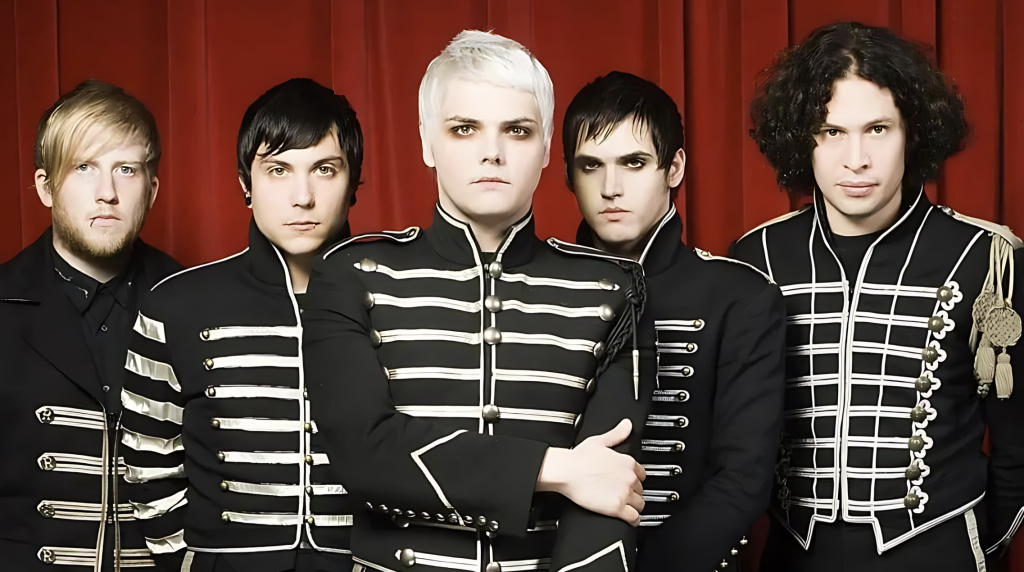
The Black Parade left an indelible mark on the music scene, influencing both fans and fellow artists. Its theatrical sound and aesthetic inspired a wave of new bands, while MCR’s iconic black-and-white outfits became synonymous with their image. The album’s blend of rock and theatricality helped redefine the genre, making MCR a household name.
MCR’s New Sound and Goodbye
1. Gerard Tries New Things
With their 2010 album Danger Days: The True Lives of the Fabulous Killjoys, MCR ventured into new sonic territory. Gerard’s vocal style evolved once again, adopting a lighter and more playful tone. Tracks like “Na Na Na” showcased his ability to adapt, proving that he could seamlessly transition between different musical styles while maintaining the band’s core identity.
2. The Band Says Goodbye
In 2013, MCR announced their breakup, leaving fans heartbroken after 12 years of music and connection. Despite their disbandment, the band’s legacy endured, with new fans discovering their music and existing fans continuing to find solace in their songs. MCR’s influence on the music landscape remained strong, as their themes of acceptance and resilience continued to resonate.
MCR’s Comeback and Lasting Impact
1. The Big Return
In 2019, MCR made a triumphant return, much to the delight of fans old and new. Their comeback was marked by the release of “The Foundations of Decay” in 2022, a track that blended their classic sound with fresh elements. The song quickly climbed to No. 1 on Billboard’s Hot Rock & Alternative Songs chart, reaffirming their enduring popularity.
2. Gerard’s Voice Still Shines
Gerard’s vocal abilities remained as powerful as ever during their comeback. Fans were thrilled to hear his voice fill arenas once again, showcasing his remarkable range and emotional depth. His performance at their first show back proved that he had not lost his touch, captivating audiences with the same intensity that defined their earlier work.
3. MCR’s Place in Music History
My Chemical Romance fundamentally changed the landscape of rock music. Their songs provided a voice for countless fans grappling with their emotions, and their influence continues to be felt today. New generations of musicians cite MCR as a source of inspiration, demonstrating the band’s lasting impact on the genre. Their music transcends time, reminding listeners that it’s okay to embrace their differences and express their feelings.
Frequently Asked Questions
What is MCR’s Best-Selling Album?
The Black Parade is MCR’s best-selling album, released in 2006 and selling over 3 million copies worldwide by 2010.
What’s Special About Gerard Way’s Singing?
Gerard Way’s ability to seamlessly transition between soft and powerful vocals within the same song, combined with his emotional delivery, enhances the storytelling aspect of MCR’s music.
Did MCR Ever Win a Grammy?
No, MCR has never won a Grammy, although they were nominated once in 2008 for Best Boxed or Special Limited Edition Package.