
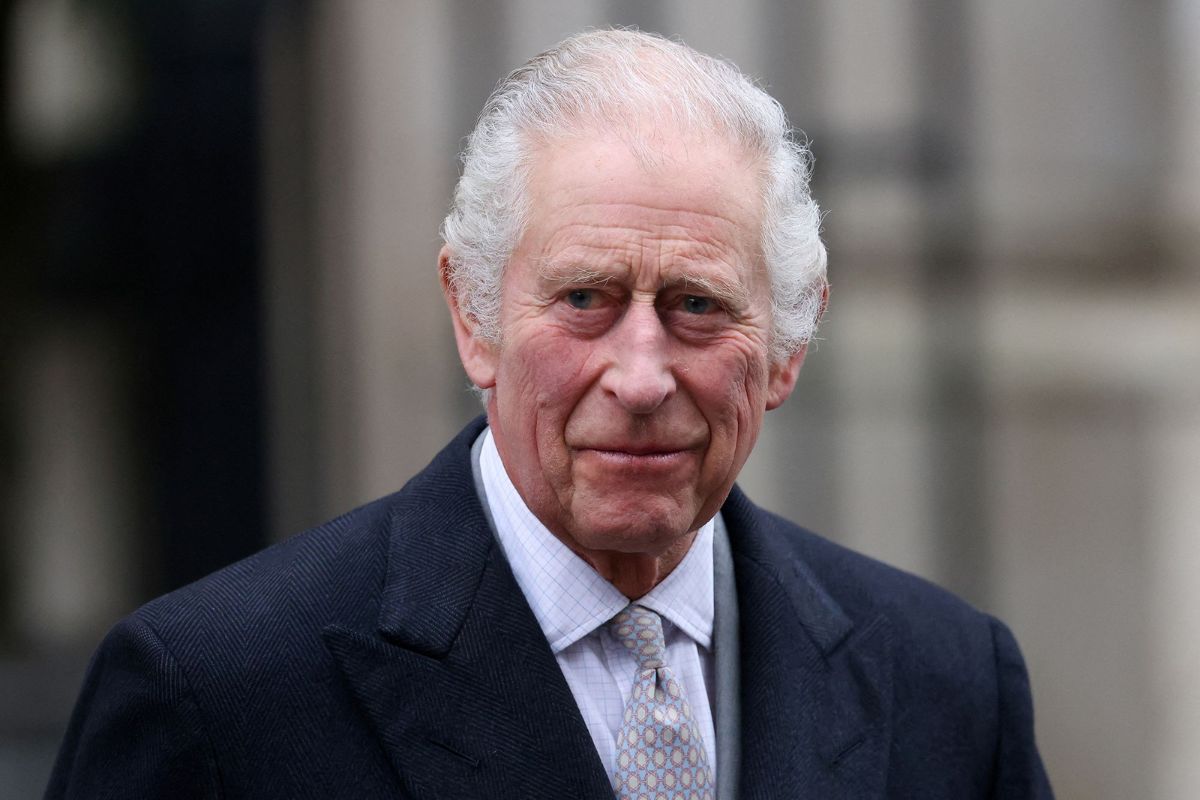
King Charles III’s Dietary Shift: A Royal Response to Health Challenges
In a surprising turn of events, King Charles III has made a significant change to his lifelong eating habits following a cancer diagnosis earlier this year. Known for his disciplined lifestyle, the monarch has traditionally eschewed lunch, opting instead for a more minimalist approach to his daily meals. However, recent reports indicate that doctors have advised him to alter this routine to prioritize his health and well-being.
A New Lunchtime Routine
According to a source cited by the Daily Mail, the king has reluctantly embraced a new lunchtime ritual. “With some reluctance, he now has something to eat at lunchtime—a snack, really,” the source revealed. This shift has taken many royal supporters by surprise, as the king’s avoidance of lunch has been a well-documented aspect of his daily life. The change underscores the seriousness of his health situation and the need for a more balanced diet during this challenging time.
The Importance of Nutrition During Treatment
As part of his new regimen, King Charles III has incorporated half an avocado into his daily meals. This seemingly simple addition is not just a culinary choice; it reflects a broader understanding of the nutritional needs that arise during cancer treatment. “It’s important, particularly if you have got an illness,” the source explained, emphasizing that the king’s doctors have stressed the necessity of maintaining energy levels throughout the day.
Chemotherapy treatments can be taxing on the body, often leading to fatigue and a decreased appetite. As such, the king’s new dietary approach is designed to ensure he has enough sustenance to fulfill his royal duties while navigating the demands of treatment. The avocado, rich in healthy fats and nutrients, serves as an ideal snack to help sustain him.
Balancing Royal Duties and Health
The responsibilities of being a monarch are immense, and King Charles III is no stranger to the demands of royal life. With a packed schedule of engagements, public appearances, and ceremonial duties, maintaining energy is crucial. The decision to incorporate a midday snack is not merely about personal preference; it is a strategic move to ensure he can continue to meet the expectations of his role without compromising his health.
The king’s commitment to his duties, even in the face of health challenges, speaks volumes about his dedication to the crown and the people he serves. By adapting his eating habits, he is taking proactive steps to safeguard his health while remaining engaged in his royal responsibilities.
A Reflection of Modern Royal Life
King Charles III’s dietary changes also reflect a broader trend in modern royal life, where health and wellness are increasingly prioritized. The royal family has often been seen as a symbol of tradition, but this shift highlights a more contemporary understanding of health, particularly in the context of serious illnesses like cancer.
As public figures, the royal family’s choices can influence societal attitudes towards health and nutrition. By openly discussing his dietary adjustments, King Charles III may inspire others facing similar challenges to prioritize their well-being and seek the necessary support.
Conclusion: A Personal Journey
While the king’s new lunchtime habit may seem like a small change, it represents a significant personal journey in the face of adversity. The transition from a lifetime of avoiding lunch to incorporating a healthy snack is a testament to the resilience required to navigate health challenges. As King Charles III continues to adapt to his new reality, his story serves as a reminder of the importance of listening to one’s body and making necessary adjustments for the sake of health and vitality.