
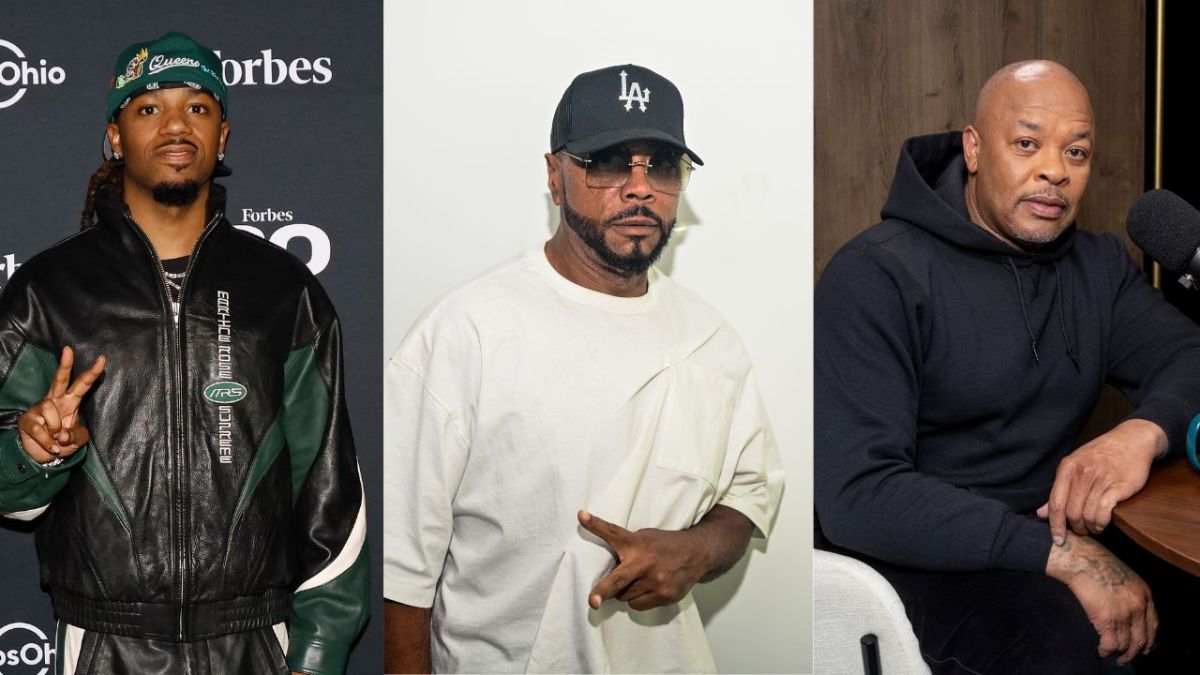
Metro Boomin & Timbaland React to Dr. Dre’s Producer Criticism
In the ever-evolving landscape of hip-hop, the conversation surrounding production techniques and the role of producers is as vibrant as the music itself. Recently, a wave of discussion was ignited when legendary producer Dr. Dre offered some pointed criticism regarding the current state of music production. His comments did not go unnoticed, prompting reactions from two of the genre’s most influential producers: Metro Boomin and Timbaland.
Dr. Dre’s Critique
Dr. Dre, a titan in the music industry known for his groundbreaking work with artists like N.W.A, Snoop Dogg, and Eminem, has always held a high standard for production quality. In a recent interview, he expressed concerns about the reliance on technology and the diminishing emphasis on traditional musicality in hip-hop production. Dre lamented that many contemporary producers seem to prioritize speed and efficiency over the artistry and craftsmanship that characterized earlier eras of music. His remarks struck a chord, especially among those who have dedicated their careers to pushing the boundaries of hip-hop production.
Metro Boomin’s Perspective
Metro Boomin, a modern-day powerhouse in the hip-hop scene, was quick to respond to Dre’s comments. Known for his innovative beats and collaborations with top-tier artists like Future, 21 Savage, and Drake, Metro has played a pivotal role in shaping the sound of contemporary hip-hop. In his reaction, he acknowledged Dre’s immense influence on the genre and expressed respect for his legacy. However, Metro also emphasized the importance of evolution in music. He argued that while Dre’s approach laid the groundwork, the current generation of producers is simply adapting to the times, utilizing technology to create new sounds that resonate with today’s audience.
Metro’s perspective highlights a crucial point in the ongoing dialogue about the role of technology in music production. He believes that the tools available today, such as digital audio workstations and sampling software, allow for a level of creativity and experimentation that can lead to groundbreaking results. In his view, the essence of hip-hop lies in its ability to innovate and reflect the cultural zeitgeist, which often means embracing new methods and ideas.
Timbaland’s Take
Timbaland, another legendary figure in the world of music production, also weighed in on the discussion. Renowned for his unique sound and collaborations with artists like Missy Elliott, Justin Timberlake, and Jay-Z, Timbaland has been at the forefront of music innovation for decades. He echoed Metro Boomin’s sentiments, acknowledging Dr. Dre’s contributions while also advocating for the necessity of change in the industry.
Timbaland pointed out that every generation of producers brings its own flavor and style, which is essential for the genre’s growth. He argued that while traditional techniques are invaluable, the integration of modern technology has opened up new avenues for creativity. Timbaland’s response reflects a broader understanding of the music industry, recognizing that progress often comes from blending the old with the new.
The Broader Implications
The exchange between these producers underscores a significant tension within the hip-hop community: the balance between honoring tradition and embracing innovation. Dr. Dre’s critique serves as a reminder of the roots of hip-hop, where producers were often musicians in their own right, crafting beats with live instruments and intricate arrangements. In contrast, Metro Boomin and Timbaland represent a new wave of producers who leverage technology to push the genre into uncharted territories.
This dialogue is not just about production techniques; it also speaks to the evolving identity of hip-hop itself. As the genre continues to grow and diversify, the conversations around what constitutes "real" hip-hop and the role of producers will likely persist. The differing viewpoints of these influential figures highlight the dynamic nature of the industry, where respect for the past coexists with a desire to innovate and redefine the future.
Conclusion
As the debate continues, it’s clear that the perspectives of Metro Boomin and Timbaland add valuable insights into the ongoing conversation about music production in hip-hop. Their responses to Dr. Dre’s criticism reflect a broader understanding of the genre’s evolution, emphasizing the importance of both tradition and innovation. In a world where music is constantly changing, these discussions will undoubtedly shape the future of hip-hop production for years to come.