
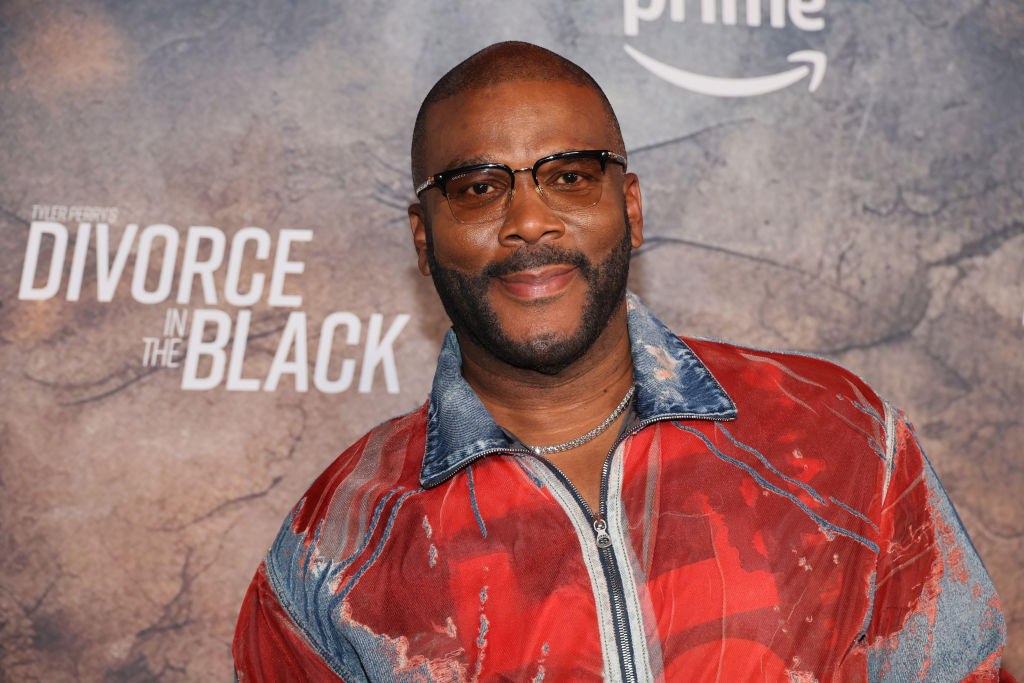
The Rise and Fall of Two Black Billionaires: Diddy and Tyler Perry
One year ago, the entertainment world was buzzing with excitement as two self-made Black billionaires, Sean “Diddy” Combs and Tyler Perry, were in a fierce bidding war to acquire Black Entertainment Television (BET). Diddy was prepared to offer around $2 billion, while Perry was willing to go slightly higher. This potential acquisition was poised to become a landmark moment in the entertainment industry, marking the largest deal ever made by a Black individual in the sector. The stakes were high, and the implications of such a purchase were profound, signaling a new era of Black leadership in media and entertainment.
A New Era of Black Business Leadership
The prospect of Diddy and Perry taking control of BET was not just about financial gain; it represented a shift in the narrative surrounding Black ownership in the entertainment industry. Both men have built their empires from the ground up, overcoming significant obstacles to achieve billionaire status. Diddy, known for his music career and ventures in fashion and spirits, and Perry, a filmmaker and playwright with a unique storytelling style, were seen as trailblazers. Their success inspired many aspiring entrepreneurs and creatives, showcasing the potential for Black excellence in business.
The Current Landscape: Diddy’s Downfall
Fast forward to today, and the landscape has dramatically changed. Diddy now finds himself in federal prison, a stark contrast to the ambitious mogul who was once on the verge of making history. The circumstances surrounding his incarceration remain under wraps, but it has undoubtedly sent shockwaves through the entertainment community. Diddy’s fall from grace serves as a cautionary tale about the fragility of success and the unpredictable nature of fame and fortune.
Tyler Perry Under Scrutiny
Meanwhile, Tyler Perry is facing a different kind of challenge. A new documentary titled Maxine’s Monster: Surviving Tyler Perry is set to be released, and it promises to delve into allegations against the billionaire mogul. This three-part series aims to present the stories of alleged “victims” who claim to have had negative experiences with Perry. The title itself is a provocative play on Perry’s own recently released documentary, Maxine’s Child: The Tyler Perry Story, which was produced by award-winning filmmaker Gelila Bekele.
The Controversy Surrounding the Documentary
The documentary’s promotional material features an empty director’s chair, symbolizing the voices of those who have worked with Perry, including well-known actors like Christian Keyes, Lance Gross, and Alfonso Ribeiro. Interestingly, none of these actors have publicly claimed to be victims of Perry, raising questions about the documentary’s credibility. Last year, Keyes did make vague allegations about a “billionaire” who abused him, leading to speculation about Perry’s involvement. However, sources close to Keyes have firmly stated that he is “in no way affiliated” with the upcoming documentary, emphasizing that such claims are unfounded.
Legal Battles on the Horizon
In response to the impending documentary, Tyler Perry has reportedly enlisted a formidable legal team to combat the production. His lawyers are prepared to take aggressive action against anyone involved in the project, threatening lawsuits to protect his reputation. This legal maneuvering highlights the seriousness of the allegations and the lengths to which Perry is willing to go to defend himself.
The Impact of Accusations in the Digital Age
In today’s digital landscape, where information spreads rapidly and often without verification, the release of such documentaries can have significant repercussions. The allegations made against public figures can tarnish reputations and alter public perception, regardless of their validity. As the entertainment industry grapples with issues of accountability and transparency, the narratives surrounding figures like Diddy and Perry become even more critical.
The Broader Implications for Black Leadership
The contrasting trajectories of Diddy and Perry serve as a reflection of the broader challenges faced by Black leaders in the entertainment industry. While both men have achieved remarkable success, their current situations underscore the complexities of navigating fame, power, and public scrutiny. As the industry evolves, the need for authentic representation and responsible leadership becomes increasingly vital.
In this ever-changing landscape, the stories of Diddy and Perry remind us of the importance of resilience and the impact of personal choices on professional trajectories. The future remains uncertain, but the conversations surrounding Black ownership and representation in media are more important than ever.