
The Slow Evolution of LGBTQ Representation in Japan’s Entertainment Landscape
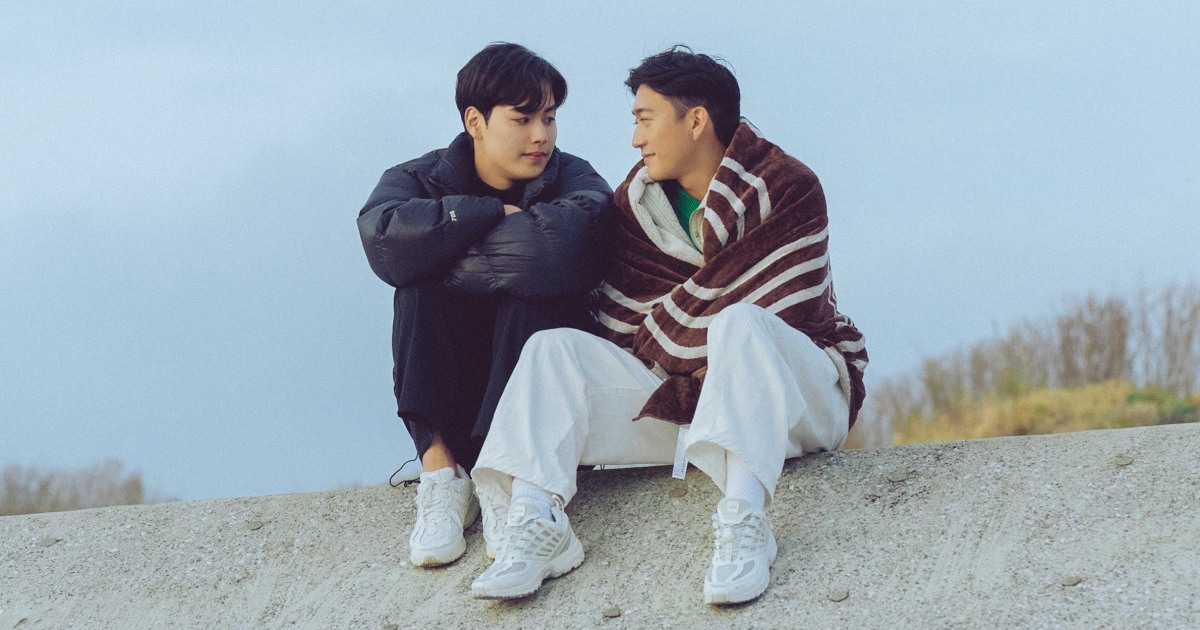
Japan, often perceived as a bastion of tradition and social conservatism, has been notably cautious in embracing the LGBTQ community compared to its East Asian neighbors. Despite the lack of legal recognition for same-sex marriages and a general reluctance to openly celebrate queer identities, recent developments in the Japanese entertainment industry hint at a gradual shift toward normalization. One of the most significant indicators of this change is the arrival of Japan’s first same-sex dating reality show, “The Boyfriend,” on Netflix.
A New Era of Reality Television
Premiering in July, “The Boyfriend” takes a familiar reality TV format and infuses it with a fresh perspective by centering on nine men seeking love—or at least companionship—while living together in a beach house. Over the course of a month, these participants engage in various activities, including working shifts at a coffee truck, which serves as a backdrop for their interactions and personal growth. The show aims to explore the complexities of relationships without the sensationalism often associated with Western reality shows.
Casting director Taiki emphasized that the intention was not to create a niche genre but to present a relatable experience. “It’s no different from the familiar reality shows we’ve seen before,” he noted, highlighting the stark contrast with the plethora of heterosexual reality shows that dominate the genre. The absence of same-sex representation in Japanese reality television until now has made “The Boyfriend” a noteworthy milestone.
A Gentle Approach to Queerness
While the premise of “The Boyfriend” may echo popular Western shows like “Love Island” or “Love Is Blind,” it diverges significantly in tone and content. The show is characterized by its restraint, featuring minimal physical intimacy and a focus on emotional connections. The most dramatic moments revolve around mundane disagreements, such as a debate over the price of raw chicken, rather than explosive confrontations or romantic escapades.
Sexuality is approached with sensitivity, as housemates engage in candid discussions about their experiences and the challenges of coming out. One participant, Taehon, grapples with the decision to disclose his sexual orientation to his parents, a narrative thread that resonates deeply within the LGBTQ community. The conversations are handled thoughtfully, reflecting a desire to foster understanding rather than sensationalism.
Critical Reception and Cultural Impact
Critics have responded positively to “The Boyfriend,” praising its wholesome and gentle portrayal of queer relationships. The New York Times described the show as “wholesome and mostly chaste,” while The Guardian lauded it as “tantalizingly lovely.” This reception underscores a growing appetite for LGBTQ narratives in Japan, even if they are presented in a subdued manner.
The aesthetic choices in the show further contribute to its unique charm. The pastel-colored setting, stylish furnishings, and the polite demeanor of the participants create an inviting atmosphere that contrasts sharply with the often chaotic nature of reality television. This deliberate curation reflects a conscious effort to present a positive image of queer life in Japan.
A Diverse Cast and Intentional Representation
The casting process for “The Boyfriend” was meticulous, with Taiki and his team spending six months selecting participants. They sought to ensure diversity among the cast, including men of Korean and Taiwanese descent, who often face social stigmas in Japan. This commitment to representation is a significant step toward inclusivity in a society that has historically marginalized certain ethnicities.
Producers were keen to avoid the pitfalls of previous reality shows, particularly in light of the tragic events surrounding “Terrace House,” which faced backlash after the suicide of cast member Hana Kimura. By prioritizing the well-being of participants and fostering a supportive environment, “The Boyfriend” aims to create a safe space for exploration and growth.
The Role of Commentary and Community Engagement
The show also features a lively studio commentary segment, where a diverse group of commentators, including drag queen Durian Lollobrigida, engage with the audience. Lollobrigida’s presence is particularly significant, as it brings a voice from the LGBTQ community into the mainstream conversation. “I wanted to act as an interpreter … to help lower the barriers and deepen the understanding that viewers may have towards LGBTQ+,” she explained, highlighting the importance of representation in media.
Broader Trends in Japanese Entertainment
Beyond reality television, other facets of the Japanese entertainment industry are beginning to embrace LGBTQ themes. The “Boys Love” genre, which centers on romantic relationships between male characters, has gained immense popularity, particularly among female audiences. This genre’s roots in manga reflect a long-standing interest in queer narratives, albeit often through a lens that caters to heterosexual viewers.
Additionally, notable filmmakers like Kitano Takeshi are incorporating LGBTQ elements into their works, as seen in his film “Kubi,” which reimagines historical events with male characters portrayed as lovers. Such creative choices indicate a gradual acceptance of queer stories in mainstream media, even if they do not provoke significant public outcry.
The Path Forward
While “The Boyfriend” may not be a revolutionary series, it represents a crucial step toward broader acceptance and visibility for LGBTQ individuals in Japan. As societal attitudes continue to evolve, shows like this could pave the way for more inclusive narratives, fostering empathy and understanding among viewers. As Lollobrigida aptly put it, “It could lead them to think, ‘Hey, they’re just like us.’” This sentiment encapsulates the potential for media to bridge gaps and promote a more inclusive society, one story at a time.